Machame Route

Machame Route

8
Days
7
Nights
8
Days
7
Nights

Safari Overview

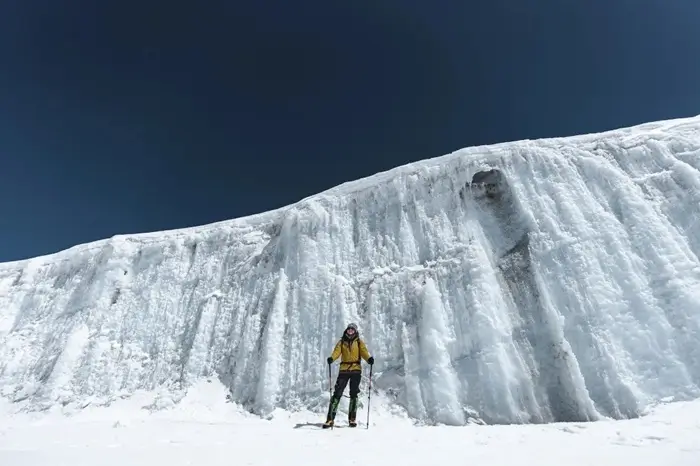
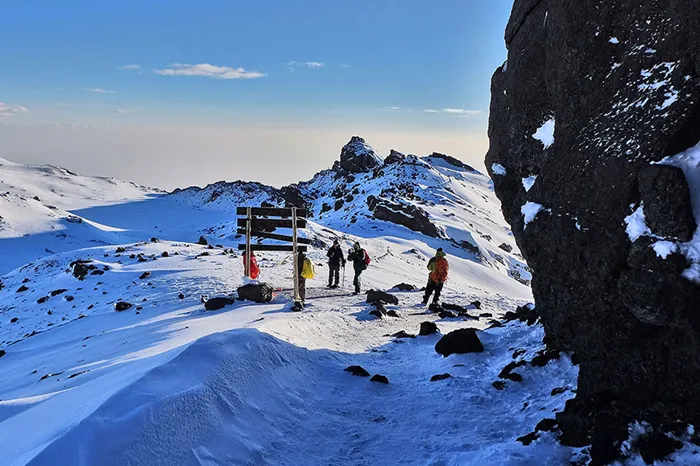
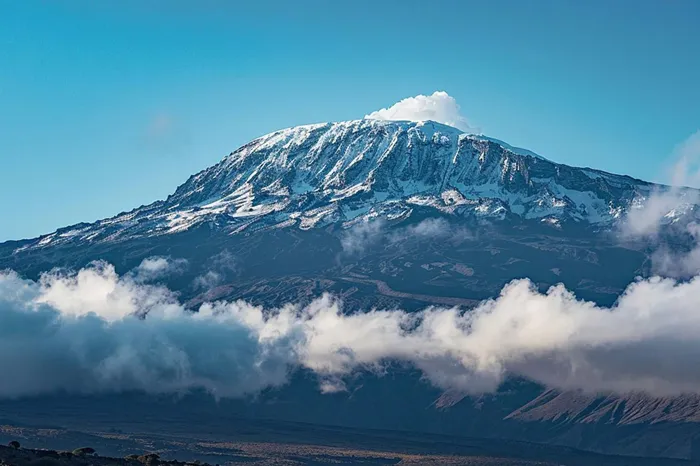
The Machame route, also known as the Whiskey Route, is a classic Kilimanjaro trail. It’s one of the most popular routes to climb Kilimanjaro. We at Safari horizons organize hundreds of expeditions annually along this trail that starts in a beautiful tropical forest. The Machame route is available in 6- and 7-day variations, with the second offering a significantly better acclimatization profile and summit success rate. Machame 7 is a great route with amazing views suitable even for beginners. You will enjoy hiking through all five Climatic zone of Kilimanjaro, scale the picturesque Barranco Wall, and marvel at the alien-looking – truly unique plants that are not found anywhere else in the world.
From
Per Adult
From
Per Child

Start Planing Your Trekking

Trip Information

Arrival on

Arusha

Departure from

Arusha

Transportation

All ground transfers

Maximum Altitude

5895 Meaters

Meals

All listed meals

Accomodation

Camping

Guiding Language

English, French & Spanish

Best Season

June to October & December to March

Group Size

Minimum 2 people

Tour type

Private Camping & Midrange

Maximum Age

80

Minimum Age

13

Safari Itinerary

Day 1 – Pick up from the airport
After breakfast, depart from Arusha and begin the approximately two-hour drive to Tarangire National Park. Upon arrival in the late morning, you will complete the park entry payment and registration at the gate. In some cases, you may also collect your packed lunch before entering the park, allowing you to enjoy the rest of the day on safari. Later in the evening, you will drive to Ngare Lodge for your overnight stay.

Accommodation

✓ Name: Tulia Lodge / Kika
✓ Type: Hotel
✓ Level: Midrange
Day 2 – Trekking From Machame Gate To Machame Camp
A guide and a mountain support crew will arrive at the hotel in the morning in order to meet you and hold a quick briefing, after which you will travel by vehicle to Kilimanjaro National Park's entrance: Machame Gate. After the quick formality of acquiring climbing permits and registering with the search and rescue service, the group will start trekking up to Machame Camp. The trekking route passes through the rainforest where tropical showers are highly probable, so we recommend you take not only spare clothes but also a raincoat.

PLEASE NOTE:This will be your first day at this altitude, so it is strongly recommended you heed the following instructions from this point on:

  • Drink over 4 liters of bottled water daily (little by little, frequently);
  • To help alleviate symptoms of altitude sickness, consider using a preventive measure like a high-altitude aid medicine. Many mountain climbers take such pills in the morning, before they begin their ascent, to reduce discomfort associated with altitude sickness. Our managers will provide more specific details together with your travel itinerary. We recommend consulting your doctor prior to the trip to discuss any potential allergies or health concerns.

At night you may experience discomfort associated with acclimatization to the high altitude: because of a reduction in your breathing pattern at night, your body gets less oxygen than during the day. Taking altitude into account, you may therefore start feeling sick and experience a headache. Pay attention to your own body and tell your guide if you start feeling any symptoms of altitude sickness.

Trekking time: 5-6 hours
Distance: 5 km (3.1 miles)
Day 3 – Trekking From Machame Camp To Shira Camp
After breakfast, you will start trekking up to the second high-altitude camp, Shira Camp. On this day you will emerge from the rainforest and for the first time be able to see stunning views of the Shira Plateau laid out in front of you. Technically speaking, trekking is not very difficult, but you may feel the changes in altitude, so pay attention to your body and remember that choosing the proper pace is extremely important for good trekking. When you reach the camp, you will have lunch and some rest, after which the group will go on an acclimatization hike towards Lava Tower Camp with a 400 m /1,312 f gain in altitude. Back down at Shira Camp, you will be served a hot dinner.

PLEASE NOTE:The acclimatization hike is an easy trek with a slight gain in altitude done in order to speed up the acclimatization process. You should take the acclimatization hikes very seriously. They help increase your chances of successfully summiting Kilimanjaro and save you from the consequences of altitude sickness.

Acclimatization hike:

Change in ElevationChange in Elevation:

Shira Camp (3,750 m / 12,303 ft)

Destination point en route to Lava Tower (4,120 m / 13,517 ft)

Hiking distance: 2 km (1.2 miles)

Hiking time: 1-2 hours
Day 4 – Trekking From Shira Camp To The Lava Tower and Descent To Barranco Camp
After breakfast, you will leave Shira Camp and start your way to the key point of the route: Lava Tower (4,600 m /15,088 f). This section of the route has a lot of ascents and descents that end in a camp at over 4,600 m /15,088 f. Portions of the trek may be difficult, and it is common to experience some discomfort, but in order to successfully acclimate to the altitude you have to spend at least 1–2 hours here. For this reason, our groups enjoy lunch at the top of Lava Tower.

After lunch, you will descend to Barranco Camp. Here you can see the famous Barranco Camp, impressive in both its massive size and steepness! Next day you will be climbing it, but don't worry: it features a very simple hiking trail is not intimidating at all.

Trekking timeTrekking time:

6-8 hours

DistanceDistance:

11 km (6.8 miles)

Day 5 – Trekking From Barranco Camp To Barafu Camp
Your group will have an early start this morning, after enjoying a filling breakfast you will begin climbing Barranco Wall. Wwe recommend you leave the camp as early as possible to avoid crowds of the other groups, which can slow you down. Hiking up the gorge wall is not difficult and only takes around an hour. After the climb you can have a rest and take photos in front of the Kibo volcano.

Then you start a more difficult hike to Karanga Camp, which features numerous ascents and descents during the route, but don't worry: our guides are experts at choosing an optimal pace for the group. After reaching the camp you will be offered warm lunch. After a couple of hours you will have to ascend to Barafu Camp where you will be served a hot dinner. It is better to spend the remainder of the day resting and sleeping before the night summit.

Trekking time:

8-10 hours

Distance:

11 km (6.8 miles)

Day 6 – Ascent to Uhuru Peak and Descent to Millennium Camp
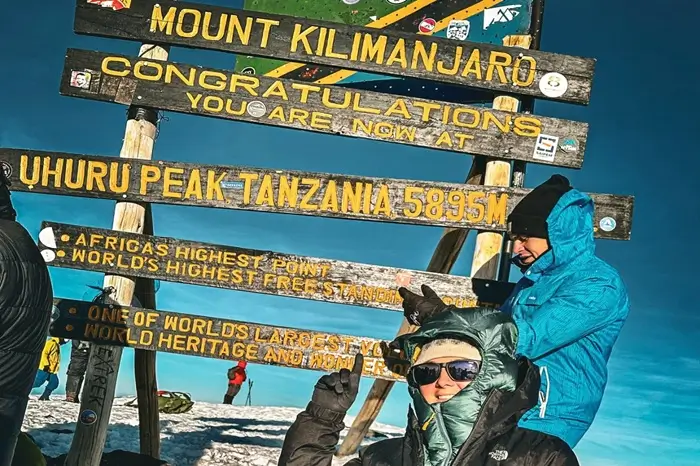
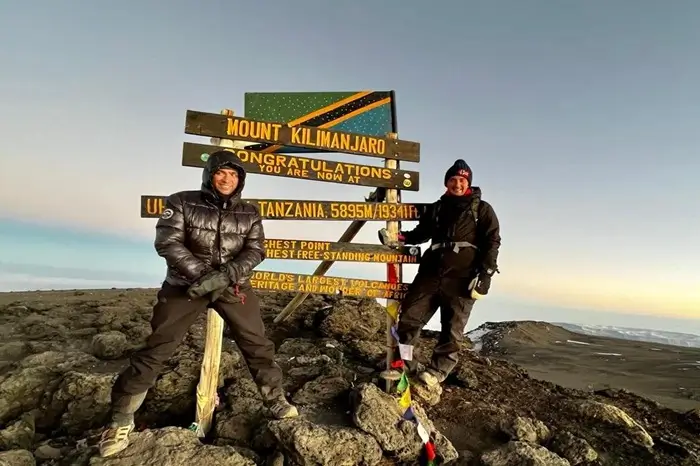
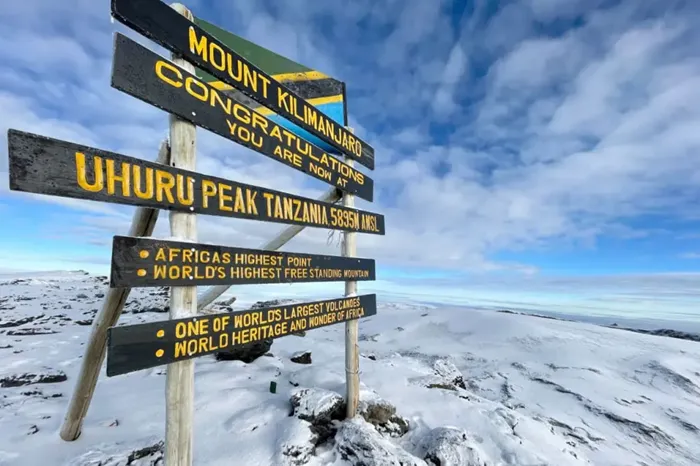
Your team will depart from Barafu Camp at night and begin the final summit to Uhuru Peak (5,895 m /19,336 f). Technically speaking, the climb is relatively simple; however, the most challenging part is the high altitude, which makes even regular physical activity feel strenuous. Each pair of climbers will be under the care of a personal guide for the entire ascent to monitor their physical and mental condition. After your successful ascent to Uhuru Peak, you can descend to the nearest glacier, if desired. Then you will return to Barafu Camp and enjoy a 2-hour rest before continuing your descent to Millennium Camp.

PLEASE NOTE: Don't forget that 90% of all accidents occur during the descent, including most broken arms and legs. Please pay attention to your feet, as there is a high risk of damaging your toenails.

Trekking timeTrekking time:

8-12 hours

Distance:

15 km (9.3 miles)

Day 7 – Descent from Millennium Camp to Mweka Gate
Millennium Camp is situated in a tropical rainforest. When you wake up, you will feel relief from the reduction of altitude and the satisfaction of reaching the summit. After a warm breakfast, you will head for the park's exit: Mweka Gate. After your descent, the whole group will gather to congratulate you, followed by offering you a chance to share your opinions on the climb in the guestbook. Lastly, we will present you with your commemorative certificates in our office and provide you with a transfer back to your hotel.

Accommodation

✓ Name: Tulia Lodge / Kika
✓ Type: Hotel
✓ Level: Midrange
Day 8 – Departure
Rest in the hotel and transfer to the airport.

PLEASE NOTE: Hotel check-out is at 10:00 AM. In case you need a late check-out because of an evening flight, there is the option to extend your hotel stay for an extra fee.

Included & Excluded

Inclusions – What’s Included
Park entry, camping & rescue fees
18% VAT (tax) on tour fees & services
Three‑season mountain tents
Transportation to/from the mountain gate
Professional mountain guides, cooks, and porters
Three meals daily on the mountainc
Filtered (drinking) water throughout the trek
Pre‑ and post‑trek hotel accommodation
Two‑way private airport transfers
Hotel accommodation before/after climb
Fully‑licensed English‑speaking guide(s)
Porter service (personal luggage allowance ~15 kg)
Specialist tent crew to set up campsites
First‑aid kit & pulse oximeters
High‑quality dining & sleeping tents with foam mattresses
Trip completion certificate & farewell dinner
Exclusions – What’s Not Included
International & domestic flights to/from Tanzania
Visa fees (Tanzanian tourist visa)
Travel insurance (high‑altitude trekking cover)
Tips/gratuities for guides, porters, cooks (≈ $150–300 pp)
Personal trekking gear (e.g. hiking boots, poles)
Personal expenses (laundry, snacks, alcohol, camera batteries)
Vaccinations & malaria prophylaxis

Start Planing Your Trekking

Frequently Asked Questions
How many days does the trek take?

Standard itineraries span 7–9 days on the mountain, with the preferred 8‑day schedule offering optimal acclimatization


It’s rated moderately difficult: you’ll cover ~12 km/day at high altitude and tackle steep scree on summit night. Prior multi‑day hiking and gym prep are strongly advised

The eight‑day Lemosho Route boasts ~85–90% success, thanks to its gradual ascent profile

January–March and June–October are the driest, most stable months; peak season (July–September) sees larger crowds but very reliable weather


Key items: three–season sleeping bag, waterproof trekking boots, layered clothing (base‑mid‑insulation‑shell), warm hat/gloves, trekking poles, headlamp and sun protection

Each group is backed by English‑speaking guides, cooks and porters (1 guide:4 clients; 1 porter per 15 kg of your luggage) who set up camps, prepare meals and carry gear
Thank you for booking your trip with us. We will connect with you within a short while...