The Ngorongoro Conservation Area spans from Serengeti National Park in the north, to the Great Rift Valley in the east. In total, the conservation area covers more than 8,000 km² (3,200 sq. miles). It consists of the Ngorongoro Crater, Ndutu, Olduvai Gorge, Empakaai, Olmoti Crater and Oldonyo Lengai Mountain. The mix of forests, valleys, savannah, craters, lakes and swamps is home for a wide range of animals.
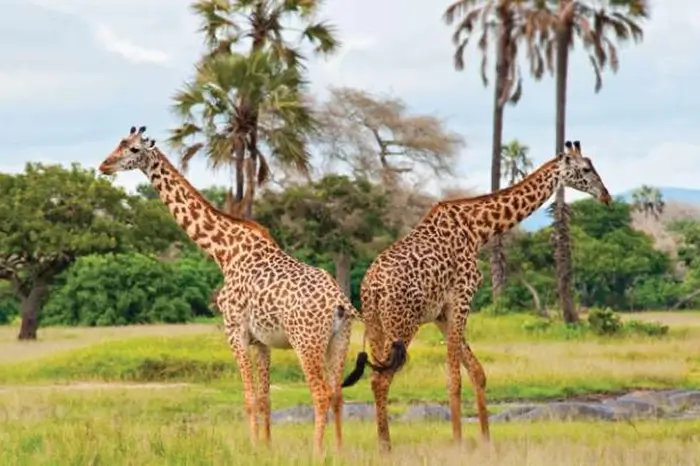
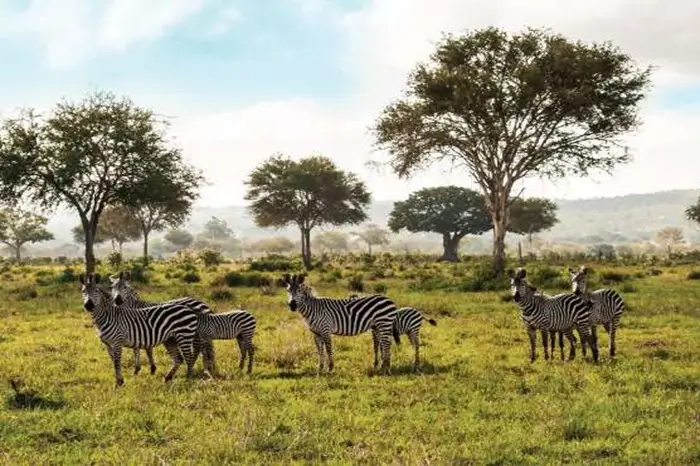
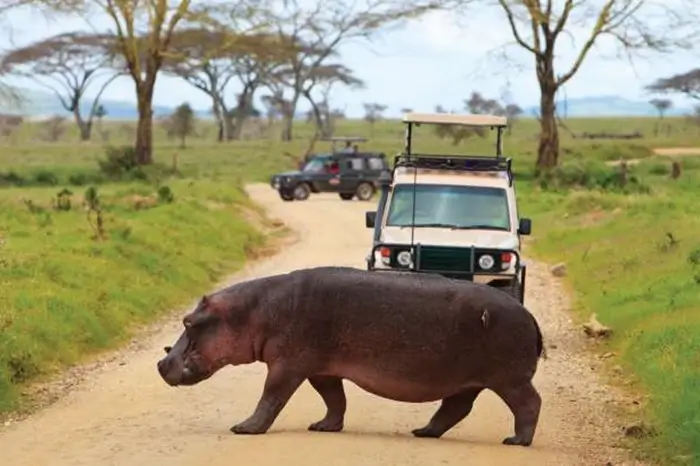
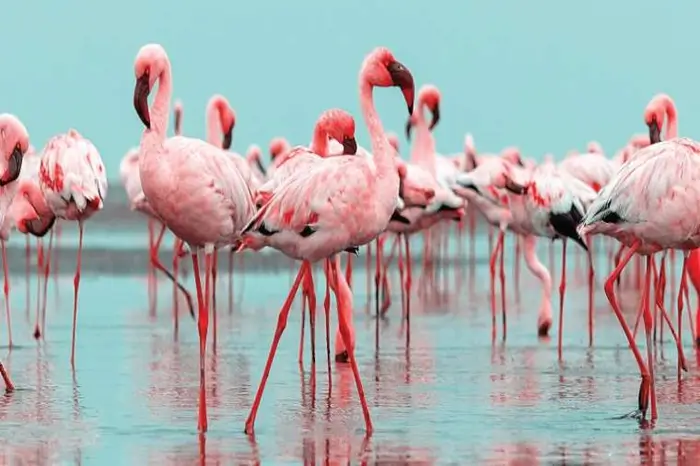
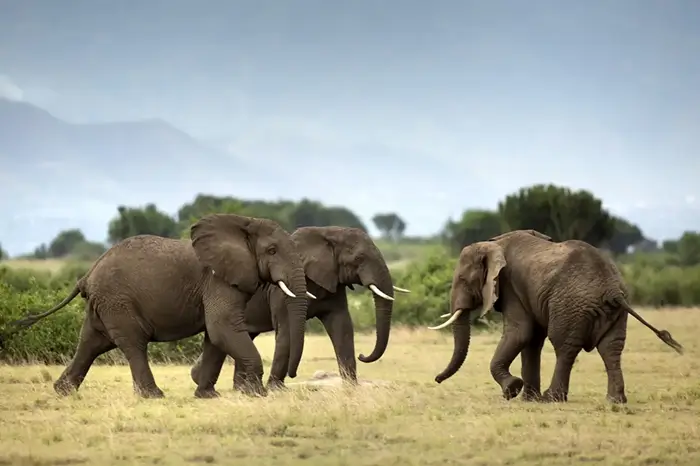
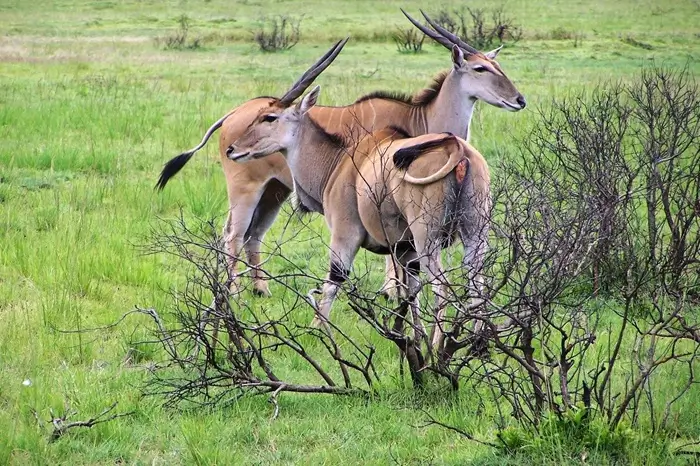
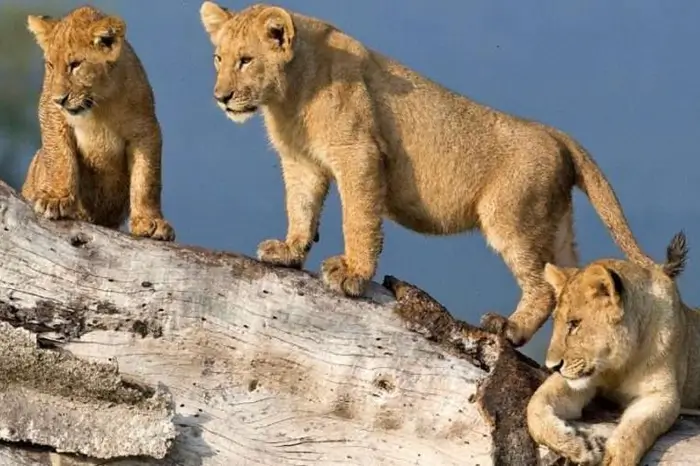
Ngorongoro Crater is the main attraction of this area. It is home to the highest concentration wildlife in Africa. You can see lions, elephants, zebras, black rhino and so much more. The views from the crater rim over the crater floor are spectacular. No wonder it is chose as one of Africa’s Seven Natural Wonders.
Ngorongoro Conservation Area is a unique and breathtaking wildlife destination where visitors can experience an incredible concentration of animals within its vast landscapes. Here, large herds of elephants roam alongside giraffes, zebras, and wildebeest across the plains. The area is also home to powerful predators such as lions, leopards, and cheetahs, offering remarkable safari sightings. Ostriches can be seen striding through the open grasslands, while a wide variety of bird species fill the skies, making it a paradise for bird enthusiasts. In addition, the conservation area supports pythons and different species of monkeys, as well as buffaloes grazing peacefully, creating a rich and unforgettable wildlife experience.
Wildlife viewing is at its best in the drier months (June to October). At this time, days are usually sunny, but it can be bitterly cold early in the morning and late afternoon. Birding is generally best in the Wet season months of November to April.