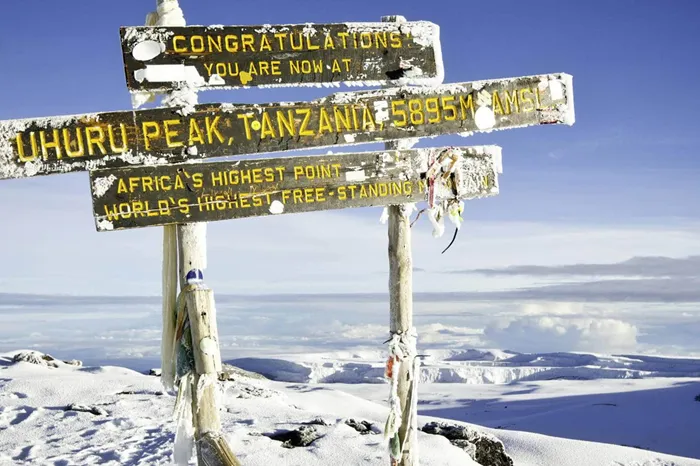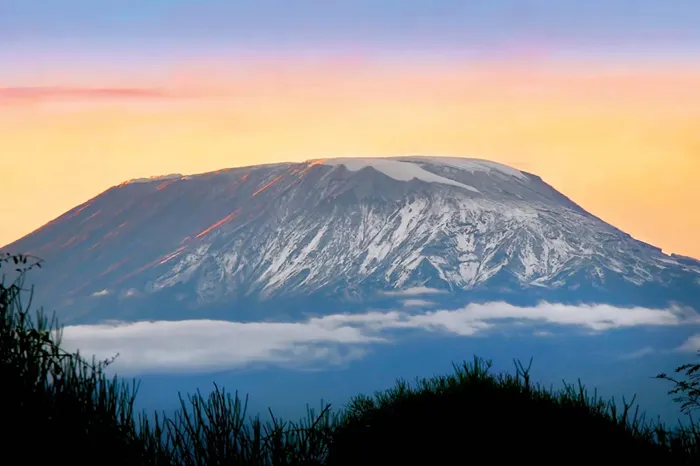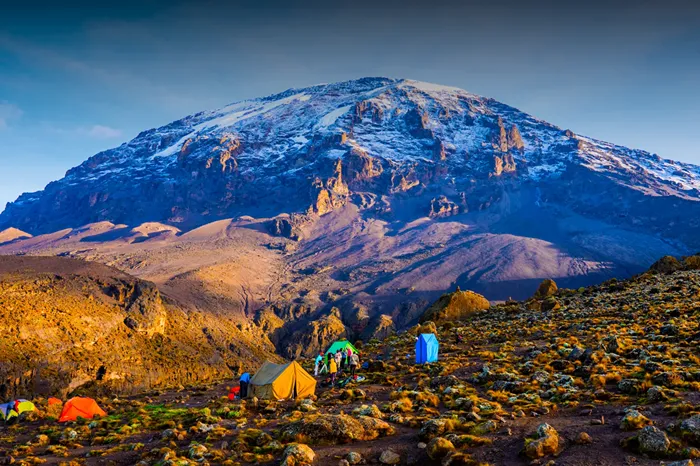
At Safari horizons, we’re proud to now offer the 7-day Umbwe Route on Mount Kilimanjaro — a new, improved version of the traditionally 6-day trek. The 6-day Umbwe boasts an impressive summit success rate of 97.1%, but it’s often chosen by very experienced climbers. The 7-day option allows for better acclimatization and is ideal for trekkers seeking a safer, more gradual climb.
Our certified Wilderness First Responder guides perform twice-daily medical checks, and we’re equipped with the largest stock of oxygen tanks in the region, ensuring your safety at every step. With our focus on health, safety, and personalized care, we maximize your chances of reaching Uhuru Peak — safely and confidently.
Arusha
Arusha
All ground transfers
5895 Meaters
All listed meals
Camping
English, French & Spanish
June to October & December to March
Minimum 2 people
Private Camping & Midrange
80
13
Upon arrival at Kilimanjaro International Airport (JRO) or Arusha Airport (ARK), a friendly staff member from Safari horizons will be there to welcome you. You will then be transferred to your hotel in Arusha, where you can relax after your journey. In the evening, you will have a safari briefing, where our team will go over your itinerary, answer any questions, and ensure you are well-prepared for your adventure. Get a good night’s rest—your unforgettable safari begins tomorrow
Accommodation
Your guide and climbing support crew will arrive at your hotel in the morning. Introductions and the final brief equipment check will precede your drive to the Umbwe Gate of Kilimanjaro National Park. This entrance, situated at 1,800 m / 5,904 f above sea level, is where your trek starts. The chief guide will finalize the permits and registration for search and rescue services.
Your first day of trekking is meant to bring you to Umbwe Camp for your first overnight camping. Climbing up to 2,850 m / 9,348 ft is a long haul with a significant increase in altitude, so find the right pace for the whole group and stick with it. As this part of the Umbwe route goes through the rainforest, there is a high probability of rain showers - do not forget your raincoat! Your support crew will have prepared the camp and dinner by the time you arrive at the camp.
PLEASE NOTE: This will be your first day at this altitude, so it is strongly recommended you heed the following instructions from this point on:
At night you may experience discomfort associated with acclimatization to the high altitude: because of a reduction in your breathing pattern at night, your body gets less oxygen than during the day. Taking altitude into account, you may therefore start feeling sick and experience a headache. Pay attention to your own body and tell your guide if you start feeling any symptoms of altitude sickness.
Trekking time:
5-7 hours
Distance:
11 km (6.8 miles)
This day starts with an early wake-up and filling breakfast before your team starts the trek to Barranco Camp. The rainforest will quickly give way to moorland, and if it is not too cloudy you will be able to see Meru Volcano for the first time. This day's trek is moderate in length and around lunchtime it is expected that you will reach Barranco Camp (3,900 m / 12,792 f), which is nestled inside a huge volcanic fault. Lunch will be provided here, and then you will have the opportunity to relax for the rest of the day, which significantly facilitates the acclimatization process.
Trekking time:
4-5 hours
Distance:
6 km (3.7 miles)
After breakfast, your group will depart Shira 2 Camp (3,850 m / 12,628 f) and hike to Lava Tower (4,600 m / 15,088 f).
This route offers a challenge for climbers, and many find this day more physically difficult than previous days. Therefore, your team will enjoy a lunch break at Lava Tower.
After lunch and a rest, your group will climb slightly higher and then descend to Moir Hut Camp.
Trekking time:
5-7 hours
Distance:
14 km (8.7 miles)
On this day you will have a rather long, but easy trek. Climbing out of Moir Valley (where you camped for the night) is a steep, but short climb, and then the rest of the day you will hike around the northern slope of Kilimanjaro. Most of the day will have up-hill and down-hill climbs, but there are no steep altitude gains.
This route passes close to the border with Kenya, so you will be treated to amazing views of the Tsavo and Amboseli valleys.
Trekking time:
5-7 hours
Distance:
12 km (7.4 miles)
You will finish trekking up the northern slope of Kilimanjaro and stop for the night in 3rd Cave Camp, where the route will meet up with the classic Rongai route. On this day, trekking is shorter than on the day before, and by this time your body should have already become completely acclimated to the altitude of 3,800 m / 12,464 f, which will contribute to your general well-being.
Trekking time:
4-6 hours
Distance:
8 km (4.9 miles)
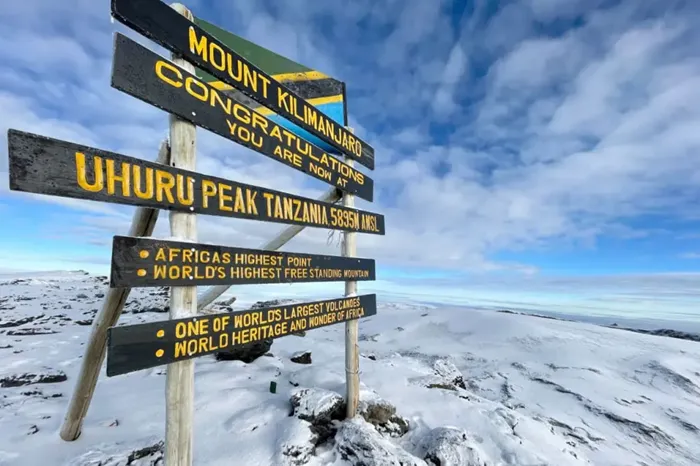
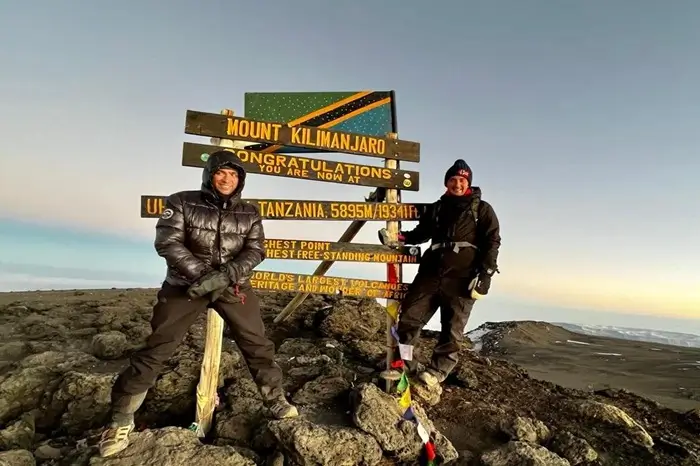
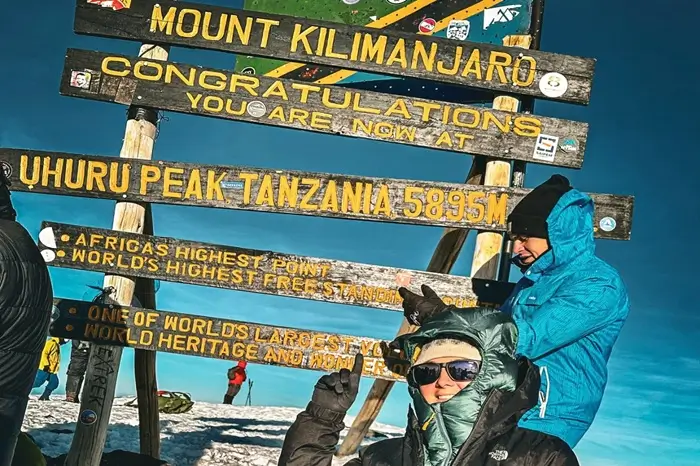
On this day you will be trekking to the School Hut Summit Camp (4,800 m / 15,744 f). The trekking itself is not very hard, but it is good to remember to choose an appropriate pace in order to keep your strength up for the final push to Kilimanjaro's summit. When you reach the camp, we recommend you sleep early, avoid strenuous activity, and drink as much water as you can. This night you will be waking in the dark and completing the final trek up to Uhuru Peak (5,895 m / 19,336 f) for the climax of your adventure on Kilimanjaro.
Trekking time:
4-5 hours
Distance:
5 km (3.1 miles)
On the summit night, your safety is our number-one concern; therefore, we will assign one guide for every two climbers. The responsibility of a guide is to watch the climber's health as they summit Uhuru Peak (5,895 m / 19,336 f). The climb starts at School Hut Summit Camp (4,800 m / 15,744 f) around midnight, Technically, it is an easy climb, but because of the high altitude, it will feel more strenuous.
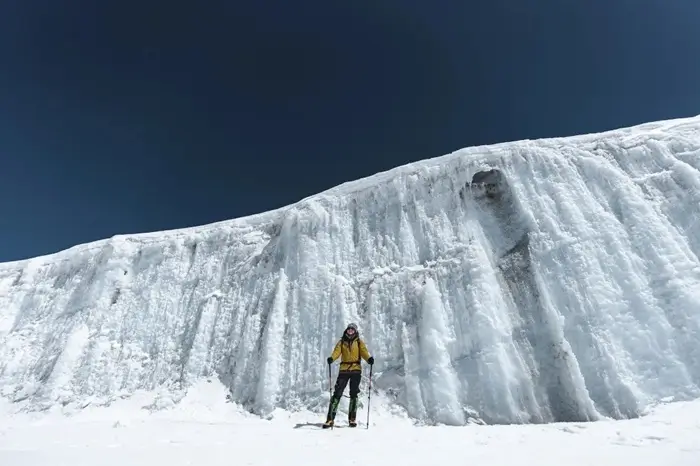
Upon successful summiting, you can walk to the nearest glaciers. The group then descends to Barafu Camp for a two-hour lunch and rest break. You will then continue to descend to Millenium Camp (3,950 m / 12,956 f) where you will spend the night.
PLEASE NOTE: Please keep in mind that 9/10 accidents occur during descent. Mind your step to avoid potential falls, injuries, and damaged toes.
Trekking time:
10-13 hours
Distance:
16 km (9.9 miles)
Millennium Camp sits amidst a tropical rainforest. The lower altitude and feelings of accomplishment from having reached the summit make for a good night’s rest. Hot breakfast is followed by your final descent to the park’s exit gate: Mweka Gate (1,640 m / 5,379 f). This is the final stop before you are taken to our office to receive your summit certificates. It also provides a good opportunity to recap the adventure with your support team and take a final team photo. Finally, you will be taken to your hotel for a well-deserved rest.
Trekking time:
4-5 hours
Distance:
12 km (7.4 miles)
Accommodation
Rest in the hotel and transfer to the airport.
PLEASE NOTE: Hotel check-out is at 10:00 AM. In case you need a late check-out because of an evening flight, there is the option to extend your hotel stay for an extra fee.
Standard itineraries span 7–9 days on the mountain, with the preferred 8‑day schedule offering optimal acclimatization
It’s rated moderately difficult: you’ll cover ~12 km/day at high altitude and tackle steep scree on summit night. Prior multi‑day hiking and gym prep are strongly advised
The eight‑day Lemosho Route boasts ~85–90% success, thanks to its gradual ascent profile
January–March and June–October are the driest, most stable months; peak season (July–September) sees larger crowds but very reliable weather
Key items: three–season sleeping bag, waterproof trekking boots, layered clothing (base‑mid‑insulation‑shell), warm hat/gloves, trekking poles, headlamp and sun protection
Each group is backed by English‑speaking guides, cooks and porters (1 guide:4 clients; 1 porter per 15 kg of your luggage) who set up camps, prepare meals and carry gear